The History of the Waterford Artillery Barracks
Published: 15 April 2026
Author: James Doherty, BBS, MA
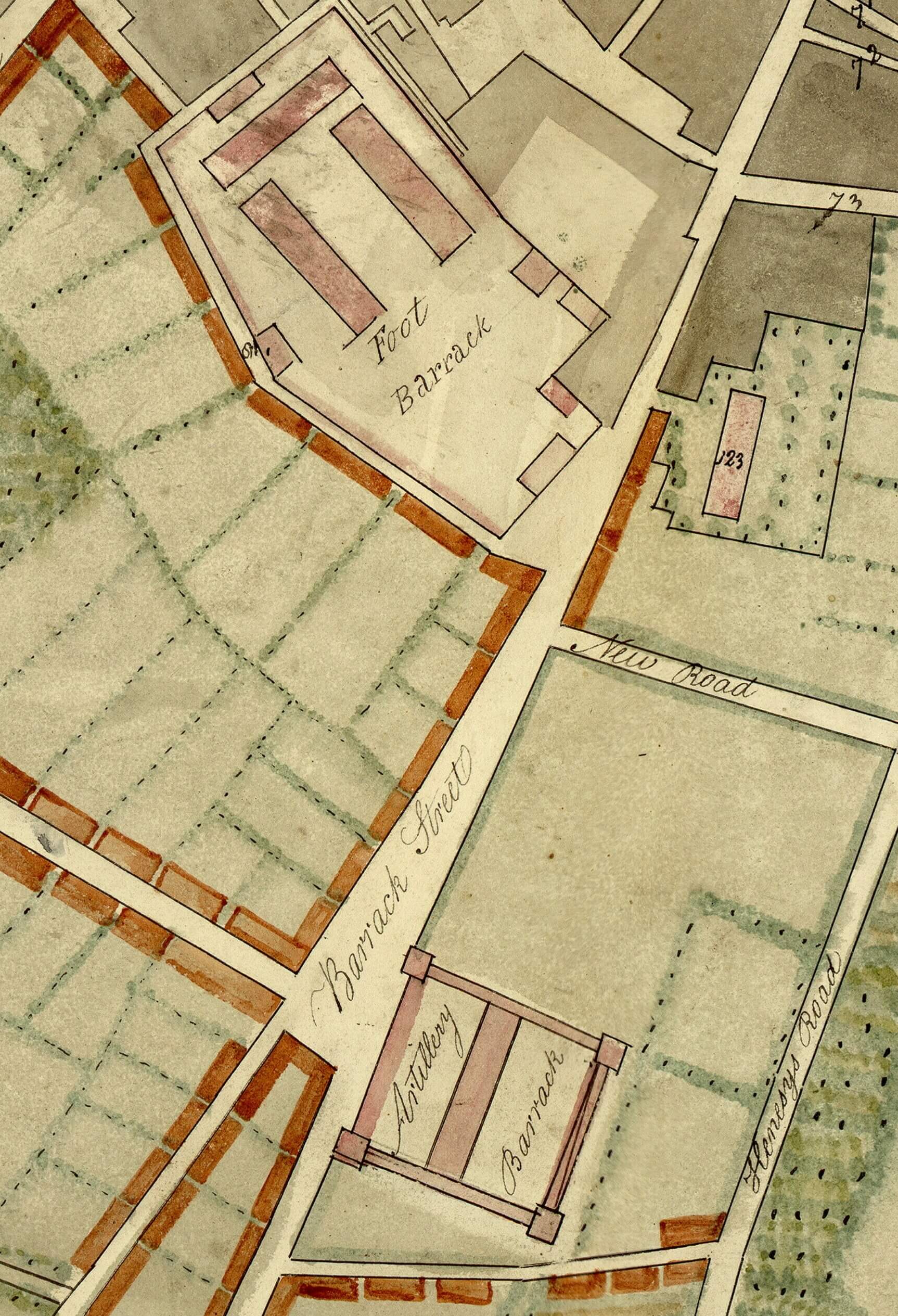
The two military barracks in Waterford City played a central role in the development and social fabric of Waterford City for over a hundred years.
Remnants of the two impressive compounds can still be found today in the Ballybricken area of Waterford City, and both lie adjacent to the eponymously named Barrack Street.
The building of a country-wide network of army barracks commenced in Ireland in the late seventeenth century. This came about in the aftermath of a major continental war – the War of the Grand Alliance (1689–1697).
In its simplest form, this conflict was a power struggle between William III of England against Louis XIV’s France. Fought on Irish soil, The Battle of the Boyne in 1690 was a decisive engagement during the war and changed the political and social landscape of Ireland forever. Although the Boyne settled the Irish question, the wider conflict continued in Europe until 1697.
Before the 1690s, many countries did not have permanent or ‘standing’ armies. Instead, troops were mustered as needed during times of war and housed – or ‘billeted’ - in temporary accommodation. The billeting of troops was a far from ideal scenario from a logistical and strategic point of view as troops were dispersed with no way of recalling them quickly.
Mainly due to the huge costs of housing, clothing, and feeding large groups of men, there was a reluctance across Europe to move towards a more permanent approach towards troop accommodation; however, the Irish situation was somewhat different.
The Protestant ruling elite in Ireland were conscious of the fact that they were in the minority and successfully argued to retain a significant body of men under arms in Ireland to bolster their position.
In 1698 [1], the Irish parliament voted to establish a permanent system of residential complexes for soldiers; the system of army barracks that would dominate the Irish landscape for over two hundred years had begun.
Although no formal records survived, a barracks was constructed in the Green Street area of Ballybricken (this site was later redeveloped to form the Infantry Barracks), and men were housed in the Citadel Fort (site of the modern Garda Station). These locations served the military in Waterford for a hundred years but neither building was adequate.
The accommodation for soldiers was soon deemed to be most unsatisfactory, with a William Bury of the 11th Regiment commenting on the state of his lodgings: “he expects every high wind to be bury'd under the ruins of their tottering mansion” [2]. Plans to modernize the barracks moved at a snail’s pace, and it would take a crisis to spur the War Department (the body overseeing the development) into action.
This crisis came from two directions at once, Firstly, the Young Ireland movement, with assistance from France, rose in Rebellion in 1798, and Napoleon seemed unstoppable on the Battlefields of Europe.
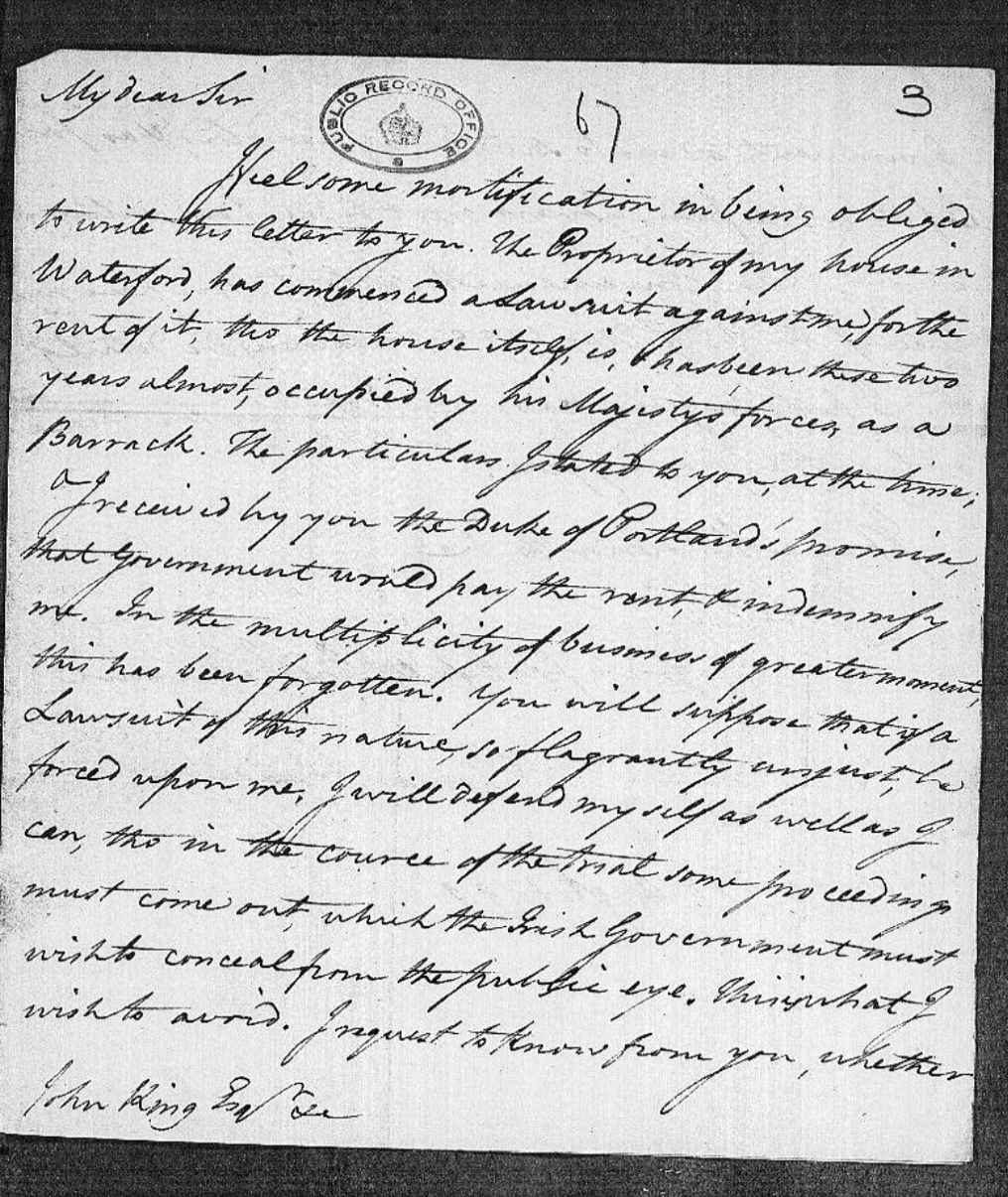
To deal with the domestic threat, Ireland was flooded with troops, which served to highlight a major issue in that there was nowhere to put them. Troops were billeted in private dwellings across Waterford such as Bishop Hussey’s house [3], which invariably led to problems:
"I feel some mortification in being obliged to write this letter to you. The proprietor of my house in Waterford has commenced a lawsuit against me, for the rent of it, tho the house itself is, has been these two years almost, occupied by his Majesty's forces, as a Barrack. [...]
You will suppose that if a lawsuit of this nature, so fragrantly unjust, be forced upon me, I will defend myself as well as I can, tho in the course of the trial some proceedings must come out which the Irish Government must wish to conceal to the public eye. This is what I wish to avoid."
The scattering of troops throughout the city was far from ideal, and rebellion combined with the threat of foreign invasion, led to renewed calls to construct larger more modern Barracks.
Development of the two barracks
In the end, construction of two large barracks in Waterford City began in 1802, taking several years to complete. The two buildings were constructed in the Ballybricken area and were only separated by a short distance.
One was designated the Infantry Barracks, and the second was designated as a Cavalry Barracks. Although on the face of it this arrangement might have seemed odd, social characteristics of the time required that cavalry men who were generally of a higher social status would billet separately to common infantrymen.
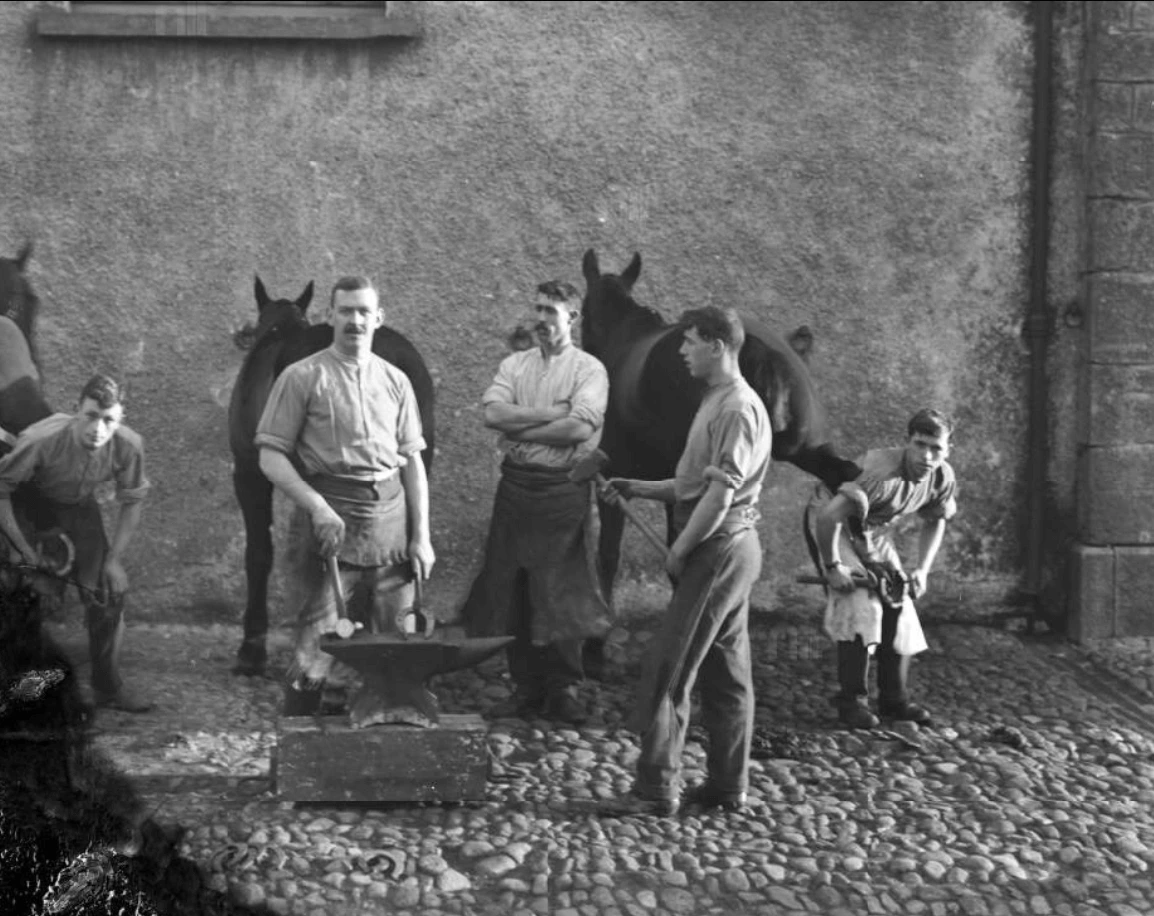
The Cavalry Barracks was an impressive walled compound that would that contain a variety of buildings, such as accommodation blocks for officers and enlisted men, weapons stores, stables and a variety of ancillary buildings needed for the care of horses such as harness rooms and a blacksmith.
This compound of buildings was surrounded by a high wall with a sentry post at the gates.
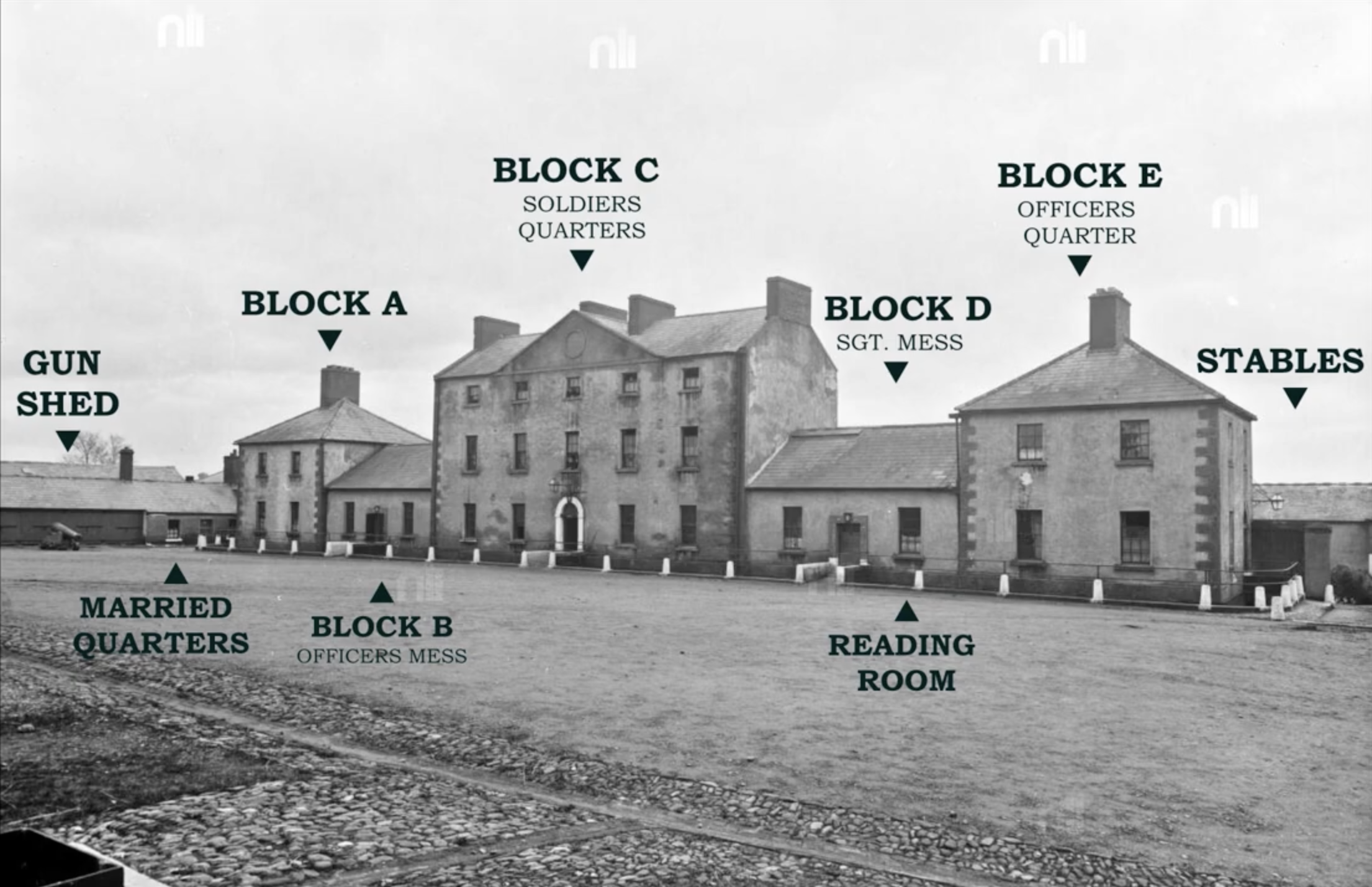
Notably, both barracks in Waterford had few defensive features; they should be seen more as accommodation complexes rather than fortresses. The few defensive features they had were designed to with local threats rather than attacking armies.
Not long after the barracks in Waterford were complete, they were somewhat surplus to requirements as the French Navy had been defeated at the battle of Trafalgar in 1805. With the defeat of the Navy, any threat by France to use Ireland as stepping stone to invade Britain disappeared. The usage and occupancy of the barracks ebbed and flowed in tandem with the security situation of the British Empire, and the level of occupancy fluctuated widely through the lifetime of the Barracks.
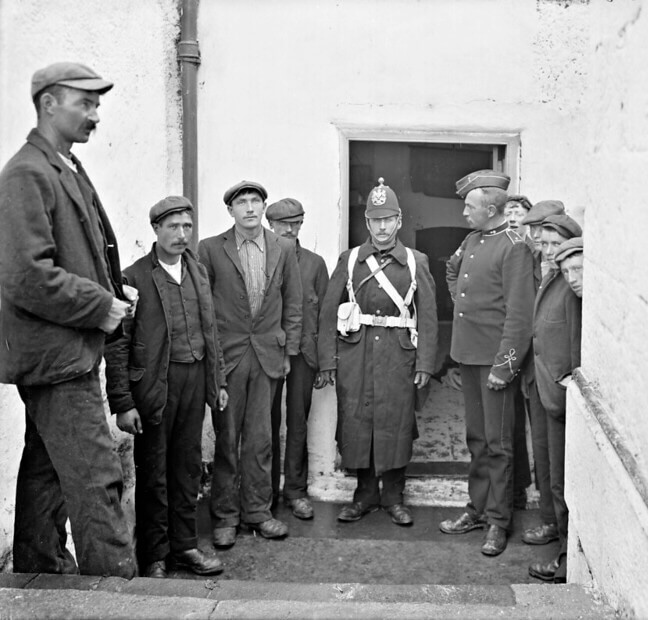
As the usage of Cavalry especially in peacekeeping role in Ireland diminished, the barracks were also used by the Waterford Militia. Part-time defensive units had been raised at various points through Ireland's history, with the most recent raising of a militia coinciding with the programme of expanding the barracks system in Ireland [4].
The militia can be seen as similar to Reserve Army forces today in that they tended to have a small full-time staff, and every summer would call up men for annual training. One unusual feature of the 19th-century militia is that they didn’t train in the counties they were from. When the Waterford Militia reported to the Cavalry Barracks, they would parade to the train station and depart to Youghal or Fermoy or further afield for training.
Army high command decreed that some militia units should receive training with artillery, and 1855 saw the Waterford Light Infantry Militia become artillery militia.
After the militia was designated as an artillery unit, the barracks started to be referred to as the Waterford Artillery Barracks. Wasting no time, the newly designated unit were sent to Duncannon Fort to train with artillery pieces there. This visit downriver would become a regular occurrence for the city men of Waterford. When a state of war existed (such as the Crimea conflict), the militia stayed called up and spent nearly six months at Duncannon.
In addition to its role preventing any invasion, the militia acted as a nursery and recruiting ground for the regular army, with scores of men leaving the militia to fight in the Crimea.
The regular army and the Artillery Barracks
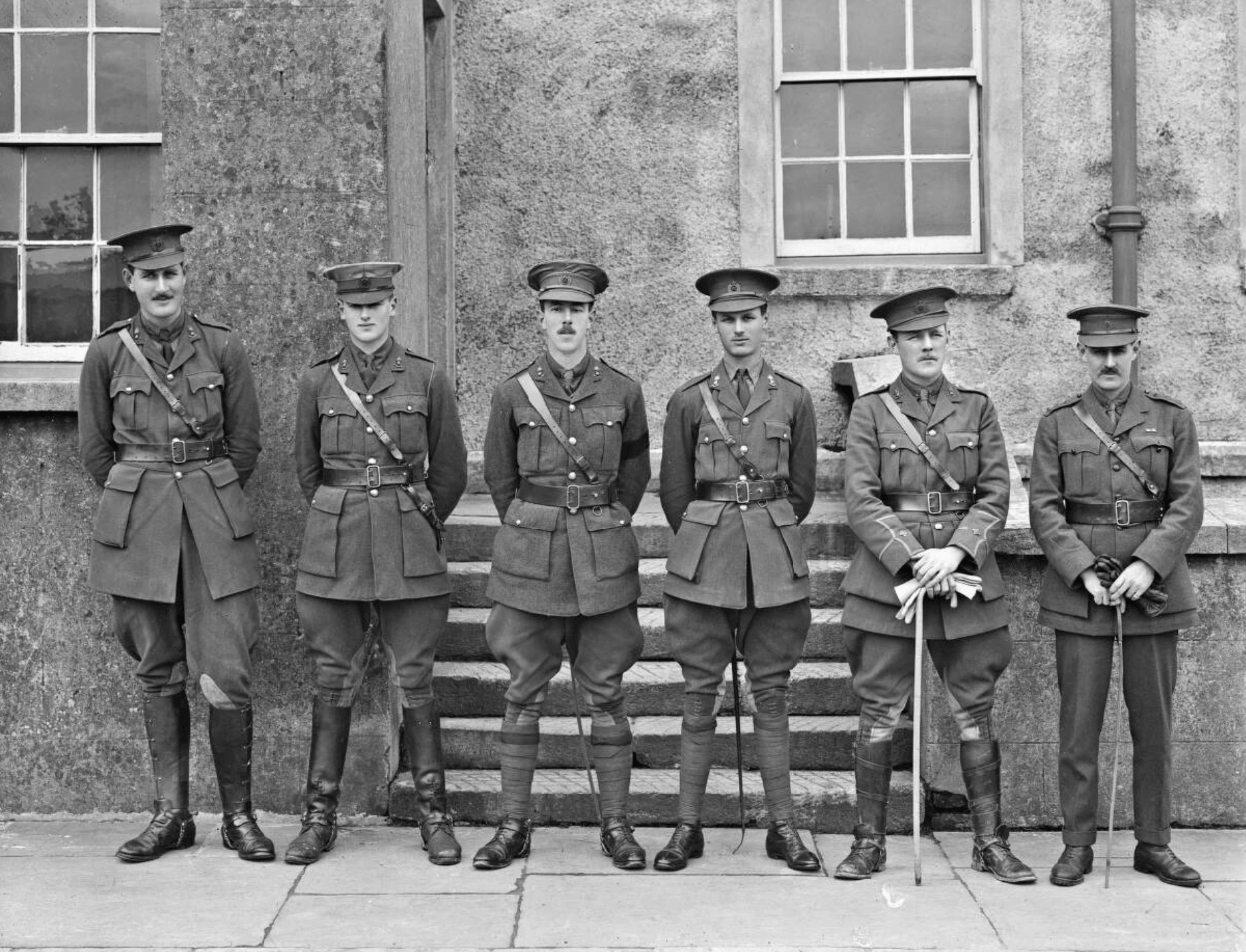
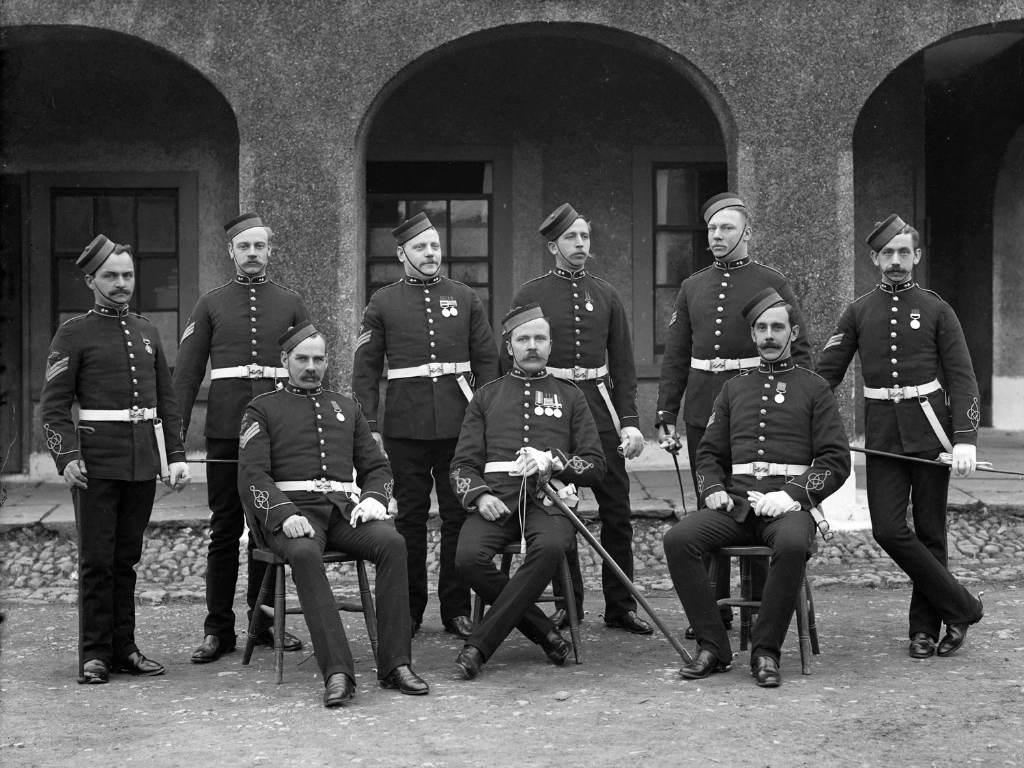
Throughout the 19th century, the British Army was deployed across an expansive global empire shaped by imperial ambition, commercial interests, and strategic rivalry.
Its presence stretched from the Indian subcontinent to Africa, the Caribbean, and the Pacific, reflecting Britain’s status as the world’s dominant imperial power.
In India, the army played a central role in enforcing the rule of the East India Company and later the Crown. Across Africa, British forces fought in numerous campaigns, including the Anglo-Zulu War, the Sudan campaigns, and conflicts linked to expanding control during the scramble for Africa. In the Middle East and the Mediterranean, garrisons in places like Egypt, Cyprus, and Malta secured trade routes and protected British interests, particularly the passage to India.
The army also intervened in China during the Opium Wars and maintained posts in Australia, New Zealand, and Canada to uphold colonial authority and support settler expansion. The senior command of the army didn’t want men settling down and becoming too friendly with the local population, so the various units tended to be redeployed every 6 months or so.
This policy of regiment rotation meant that a wide assortment of British army units visited Waterford throughout the 19th century [4]. Each regiment of the army had an official strength, and if they were below this level, would often recruit while in barracks.
This phenomenon meant Waterford men could often find themselves in units of Scottish Highlanders or the Welsh Borderers and see service across the globe.
By the end of the nineteenth century, Ireland remained one of the British Army’s most important recruiting grounds. The motivations of Irish recruits were diverse, ranging from economic necessity to adventure, and in some cases, to demonstrate loyalty to the Crown.
Yet the phenomenon also underscored the contradictory nature of Anglo-Irish relations, as Irish soldiers served a state that many of their countrymen increasingly sought to resist.
Barracks discipline
At the start of the 19th century, discipline in the British Army was notoriously severe. Punishments such as flogging, branding, and forms of public humiliation were widely used to enforce obedience. Flogging became emblematic of military discipline. Conducted with the cat-o’-nine-tails, it could entail hundreds of lashes, often leaving permanent physical and psychological damage.
Such punishments were intended to instil fear and maintain control, especially within a force composed largely of the poor, uneducated, and socially marginalized. Officers, typically drawn from the upper classes, saw strict discipline as necessary to command what they perceived as unruly men.
In 1866, one case that occurred in the Artillery Barracks was that of a trooper called Reilly. He was charged with desertion and theft of army equipment. Reilly's punishment was to be flogged and, once afterwards, branded permanently on the chest with the initials B.C for "bad character". Extreme discipline would have been relatively common, and most instances went unreported; the case of trooper Reilly only made the news due to its severity [5].
By the mid-19th century, attitudes toward discipline began to shift. Growing public scrutiny, humanitarian concerns, and the changing character of warfare spurred significant reform. The Crimean War (1853–1856) exposed administrative incompetence and the harsh treatment of soldiers, prompting calls for modernization.
One of the most significant reforms came with the gradual abolition of flogging. Public opposition, fuelled by newspaper reports and parliamentary debates, challenged the belief that brutal punishment was necessary for military effectiveness. Flogging was abolished during peacetime in 1868 and eliminated by 1881.
Relationship between local population and soldiers
Tension between garrison soldiers and local inhabitants was a feature of army life and certainly not limited to Waterford. Soldiers had considerable free time with free board and lodgings, and the excessive consumption of alcohol was a constant issue.
The relationship between different regiments and locals also varied and the departure of 700 men of the 76th regiment in 1861 was covered in glowing terms in the local media and the cordial relations [6].
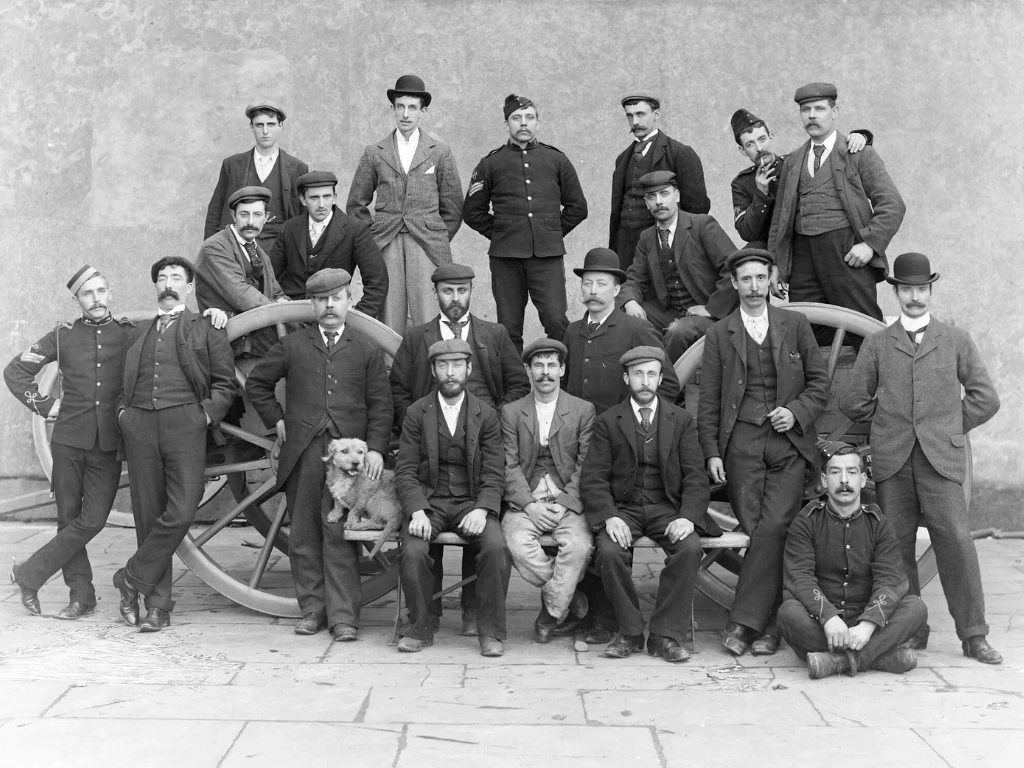
However, these friendly relations were often not the case and disagreements between locals and soldiers could turn violent and sometimes resulted in fatalities.
In 1885, a fight broke out in a public house at the bottom of Manor Street, which resulted in a running battle being fought through the streets. A local man witnessed a young soldier being kicked savagely on the ground and stood over him to shield him from assault. Tragically, a soldier coming to aid his comrade misread the situation and stabbed the civilian Peter Grant with a bayonet which resulted in his death [7].
Macabre as it may be, violent confrontations could turn into a spectator event with crowds gathering to watch, which could led to tragedy.
One such tragedy was the death of the death of young Mathew Hayes in 1905. Similar to the Grant incident, violence had flared after a disagreement in a public house. Finding themselves outnumbered, soldiers had retreated into the Artillery Barracks, where a large crowd gathered and started to throw stones over the perimeter wall.
The subsequent events were disputed but it would seem that a sentry panicked and fired a warning shot, which struck and killed a young boy, Mathew Hayes. A trooper of the Royal Field Artillery, Herbert Hodge, was arrested and charged with unlawful killing. Amidst heavy security, the accused soldiers were escorted to and from the courthouse, with the remaining soldiers being confined to barracks.
In hindsight, one of the main sources of disputes could have been easily avoided. The Waterford militia would train in locations such as Duncannon Fort, and the Waterford artillery barracks hosted visiting militia units from around the country. After the training period was over, the visiting militia men were paid their wages in arrears and instructed to head to the train station and make their own way home.
Many of these men came from underprivileged backgrounds, and this cash payment was a rare event in their lives. The sensible ones boarded the first available train home, but on numerous occasions, the men frequented the city pubs in large numbers, often with disastrous results.
In 1863, the Tipperary Militia were disbanded for the summer in the city, and The Waterford News described the ensuing chaos in colourful terms: "A warm patronage of our public houses was displayed by the Tipps. The city was filled with men made boisterous by deep potations and by no means coveted by any respectable community [8]."
A similar event involving the Tipperary Militia occurred in 1871 when a riot broke out when police tried to break large groups of militia men drinking in pubs throughout the city. Eventually appeals from various quarters led to the practice of payments changing which encouraged soldiers to go home once their training was complete.
The twentieth century
The early 1900s would start to see the decline of the Artillery Barracks due to a variety of factors. Having two barracks only stone’s throw from each other had proven unsustainable and reforms of the Militia in 1909 led to the disbandment of the Waterford unit, with only a handful of men maintaining the barracks thereafter. The 1911 census showed 125 men occupying the infantry barracks and 4 men in the Artillery Barracks [9].
The events of Easter 1916 would lead to an increased presence in the barracks, although it was mainly the Infantry Barracks that was used. A detachment of the Connaught Rangers occupied the barracks after the Easter Rising. By the time of the War of Independence in 1920, over 350 men of the Devonshire regiment were in residence [10]. It was men of the Devonshire’s that would vacate the barracks in March of 1922, leaving them to be occupied by the IRA.
Siege of Waterford and the destruction of the Barracks
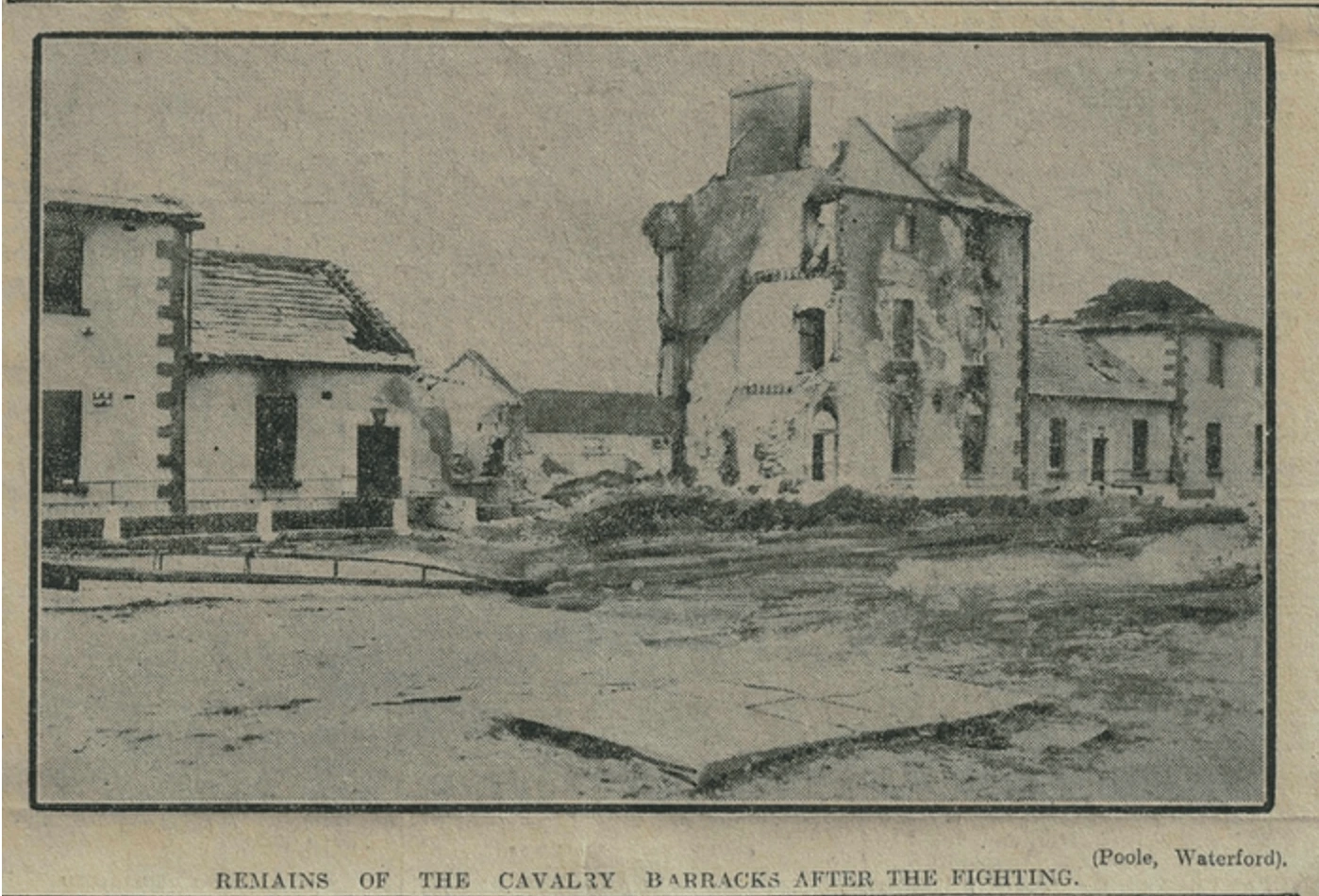
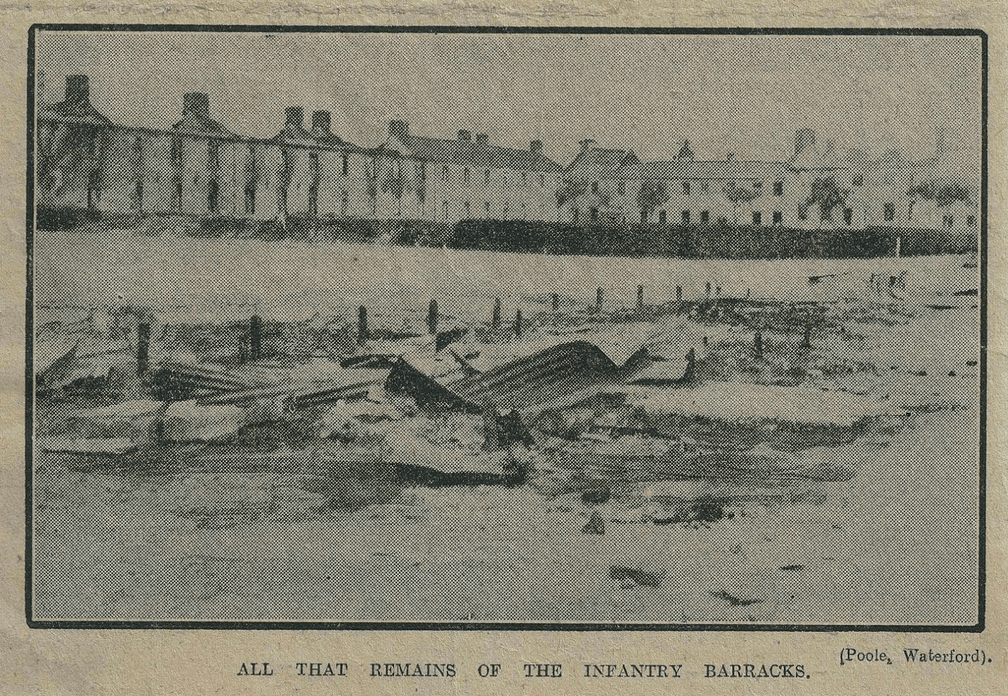
When the new Irish government signed the Anglo-Irish treaty in 1922, the various IRA units were divided on the issue, and as various units declared their support or opposition, key buildings across the state were seized by the opposing factions. Waterford was held by Anti-Treaty IRA forces as the Civil War erupted in violence.
After the shelling of the Four Courts complex in Dublin, Free State forces started to move against the strongholds of the anti-treaty forces. Waterford came under attack on the 18th of July, with the Free State occupying the city by the 20th of July.
The Free State used artillery to shell the city, and there was considerable damage done to both barracks, which had been occupied by the Anti-Treaty IRA additionally looting and fire contributed to substantial damage to both complexes [10].
After the war, the decision was made to rebuild the Infantry Barracks and leave the site of the old Artillery Barracks derelict. However, there was one last twist to the tale. By 1938, the site of the old Artillery Barracks had been empty for nearly twenty years, and it had passed into the hands of Waterford Corporation. Messrs Hamilton were awarded the contract to clear the site and build what would become known as St Carthages Avenue.
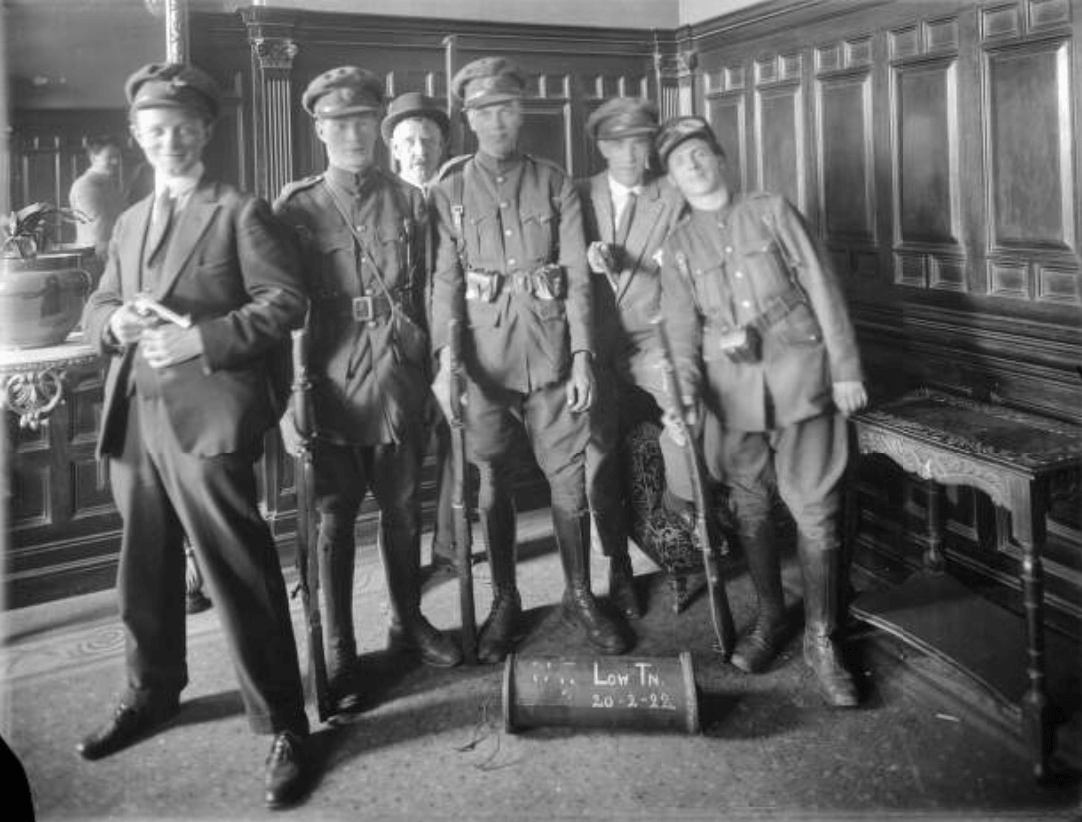
The contractor had one concern: locals had told him that the retreating IRA had booby-trapped the building as they left in 1922, but A Garda Siochanna had assured the builder that the site had been inspected by the army after the Civil War.
The assurances of the Garda were proved wrong in dramatic fashion when a worker fell into a void just inside what would have been the old gateway. The void was packed with explosives that were connected by wire to the main gate; the retreating IRA had left a nasty surprise for whoever took over the barracks. Luckily for all concerned, the explosives failed to detonate [11].
Soldiers from the Curragh were dispatched to deal with the ordinance and with that the story of the Artillery Barracks of Waterford City came to a close.
Sources:
- An Act to compleat the Supply to his Majesty, and build and finish the Barracks in this Kingdom. 26 January 1698
- Letter from Ann Warde of Nottingham 28 Jan 1781 Reference DD/FJ/11/1/5/99-100
- British National Archive, Letter from Bishop Hussey HO/42/48/2
- British Army Muster and Roll Lists National Archive
- Waterford Mail, 14 June 1866
- Waterford News, 22 February 1861
- Waterford News, 11 December 1885
- Waterford News, 6 June 1863
- 1911 census available online
- The Irish Revolution in Waterford, Pat McCarthy
- Booby Trap at the Barracks available online from Waterford Archaeological and Historic Society
All photos of the barracks and officers sourced from the The Poole Photographic Collection, available online via National Library of Ireland.